
Labs
Room No: F 3
Area: 94.2 sq. m.
Capacity: 25
Incharge: Prof. R. D. Jawarkar
Assistant: Shailesh S. Wankhade
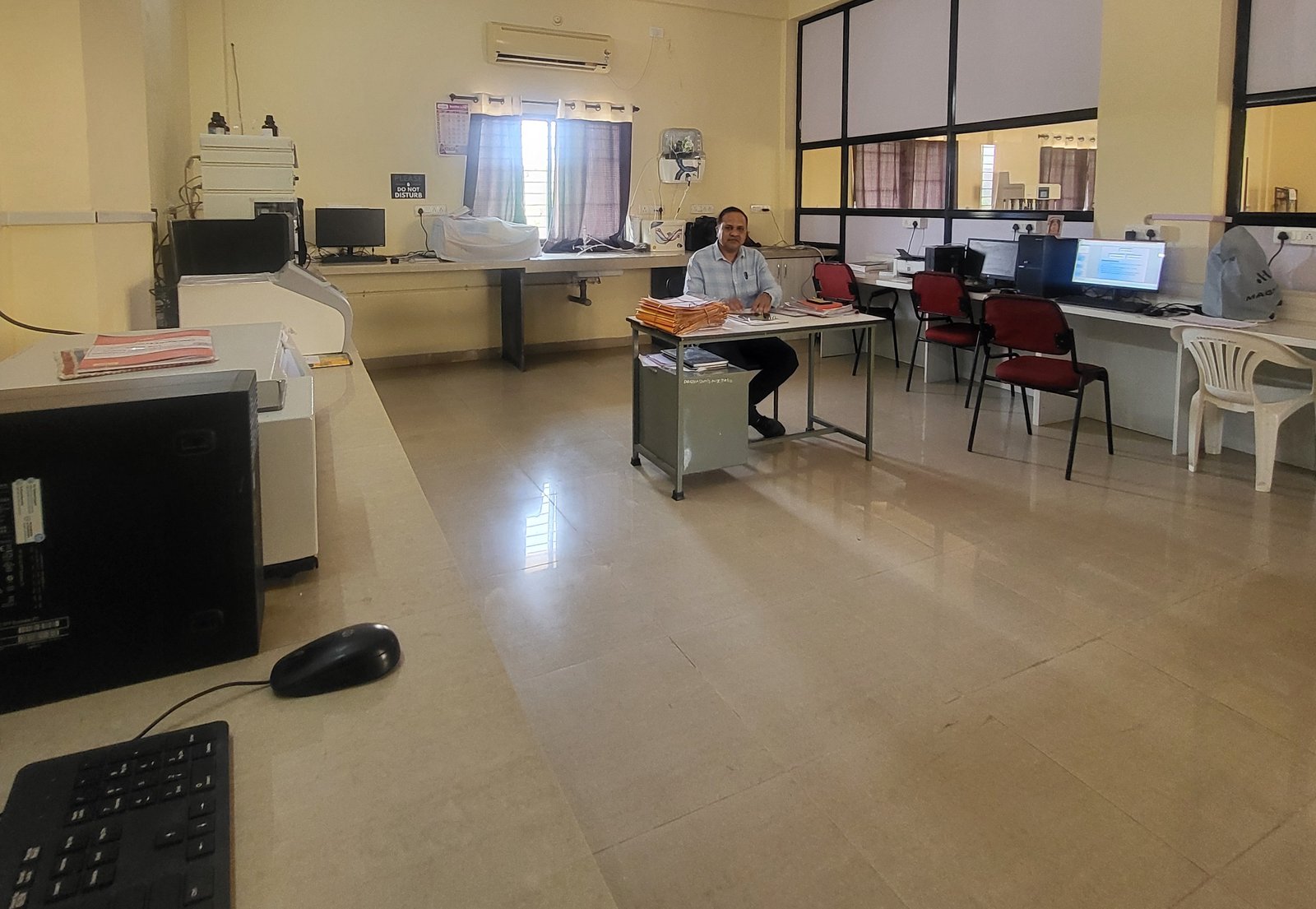
The instrument room in a pharmacy college plays a crucial role in the academic and research environment. It houses various sophisticated instruments used for practical learning, research, and analytical purposes.
Instruments Available:
1. HPLC
2. Elisa Instrument
3. Uv-visible Spectrophotometer
4. Centrifuge Machine (15000 RPM)
5. Dissolution test apparatus
Importantance of instrument laboratory.
1. Practical Learning and Hands-On Training
-
Provides students with exposure to advanced pharmaceutical instruments like UV-Vis Spectrophotometers, HPLC, FTIR, and GC.
-
Enhances students' understanding of analytical techniques through real-time experience.
-
Develops skills in operating instruments, analyzing data, and interpreting results.
Room No: G 08
Area: 94.2 sq. m.
Capacity: 25
Incharge: Prof. Yogesh Chainani
Assistant: Pratik Khandare
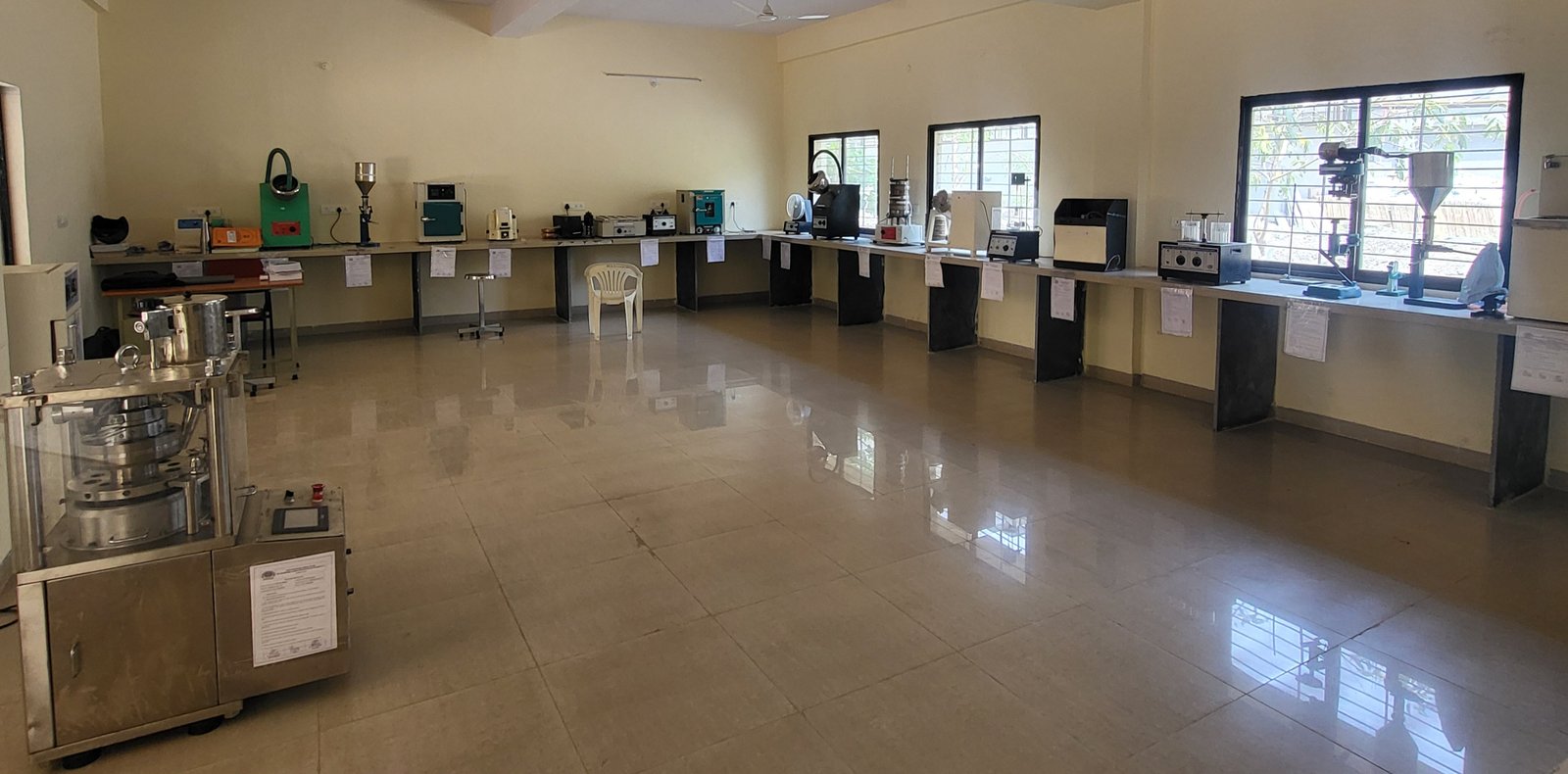
A well-equipped machine room in a pharmacy college is essential for nurturing competent pharmacy professionals who are industry-ready. It supports the comprehensive learning of pharmaceutical formulations, production techniques, and quality assurance practices, making it a cornerstone of pharmacy education.
Room No: 02
Area: 94.2 sq. m.
Capacity: 25
Incharge: Prof. Wrushali Panchale
Assistant: Shailesh S. Wankhade
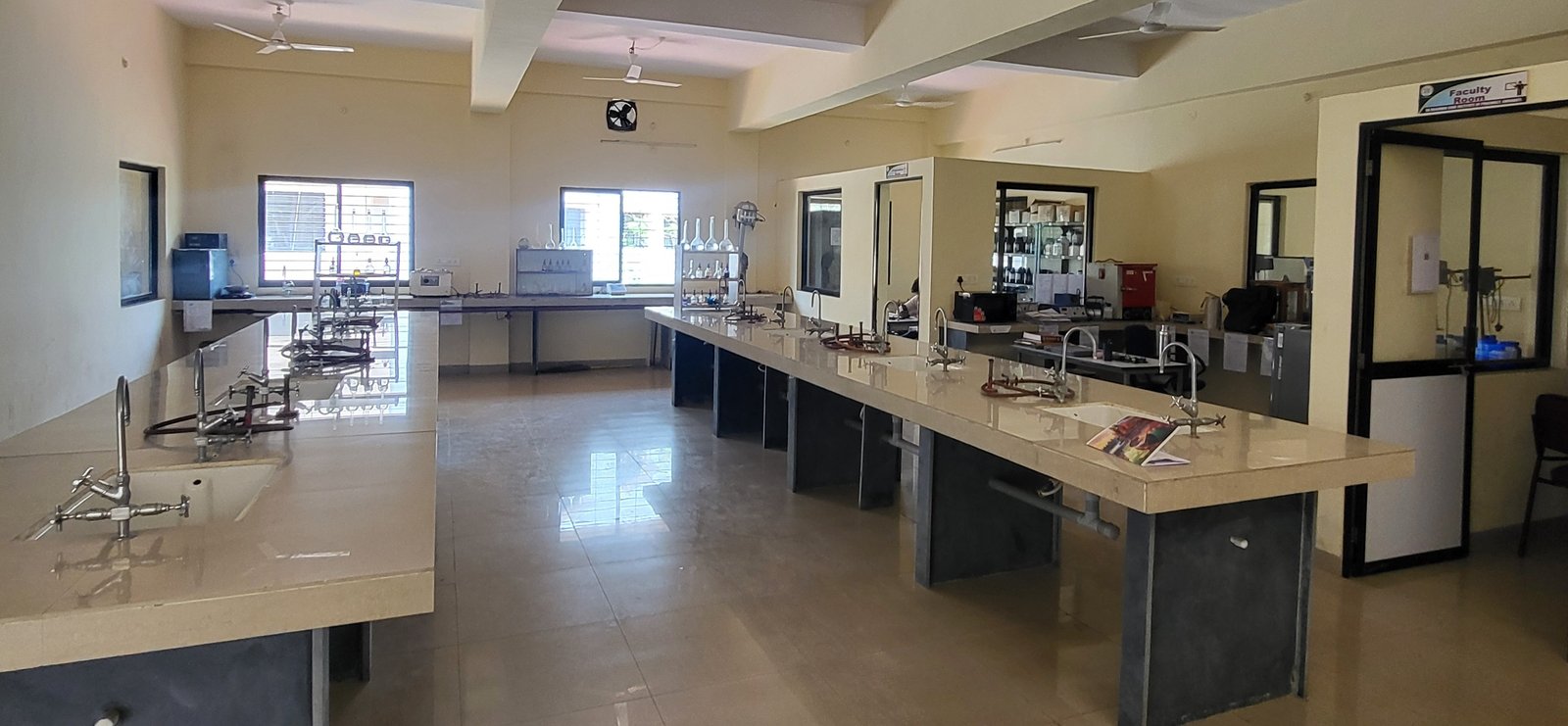
Medicinal Chemistry Laboratory is essential for developing a strong foundation in drug discovery and pharmaceutical chemistry, preparing students for careers in the pharmaceutical industry and academic research.
Room No: 04
Area: 94.2 sq. m.
Capacity: 25
Incharge: Prof. Mayuri Shrikhande
Assistant: Harshad Agrawal
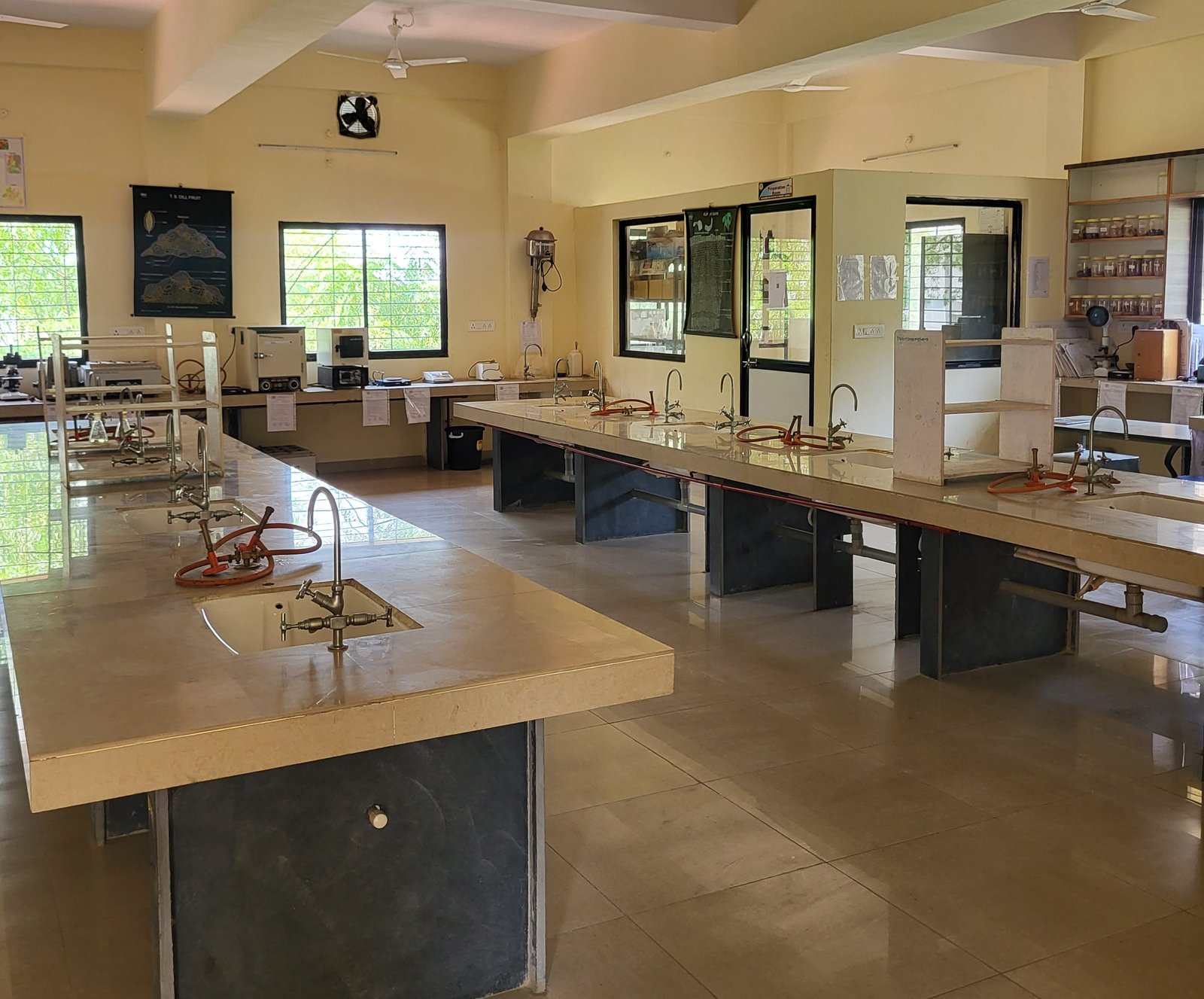
he pharmacognosy laboratory plays a vital role in a pharmacy college by providing students with practical knowledge of medicinal plants and natural products. Here’s why it is important:
-
Study of Natural Products:
-
It allows students to study the physical, chemical, and biological properties of medicinal plants, herbal drugs, and other natural products.
-
-
Extraction and Isolation Techniques:
-
Students learn techniques like extraction, isolation, and purification of bioactive compounds from natural sources.
-