
Labs
Room No:
Area: 75 Square Meter
Capacity: 200
Incharge: Dr. Prashant Ajmire
Assistant: Manoj Vishnupant Lad
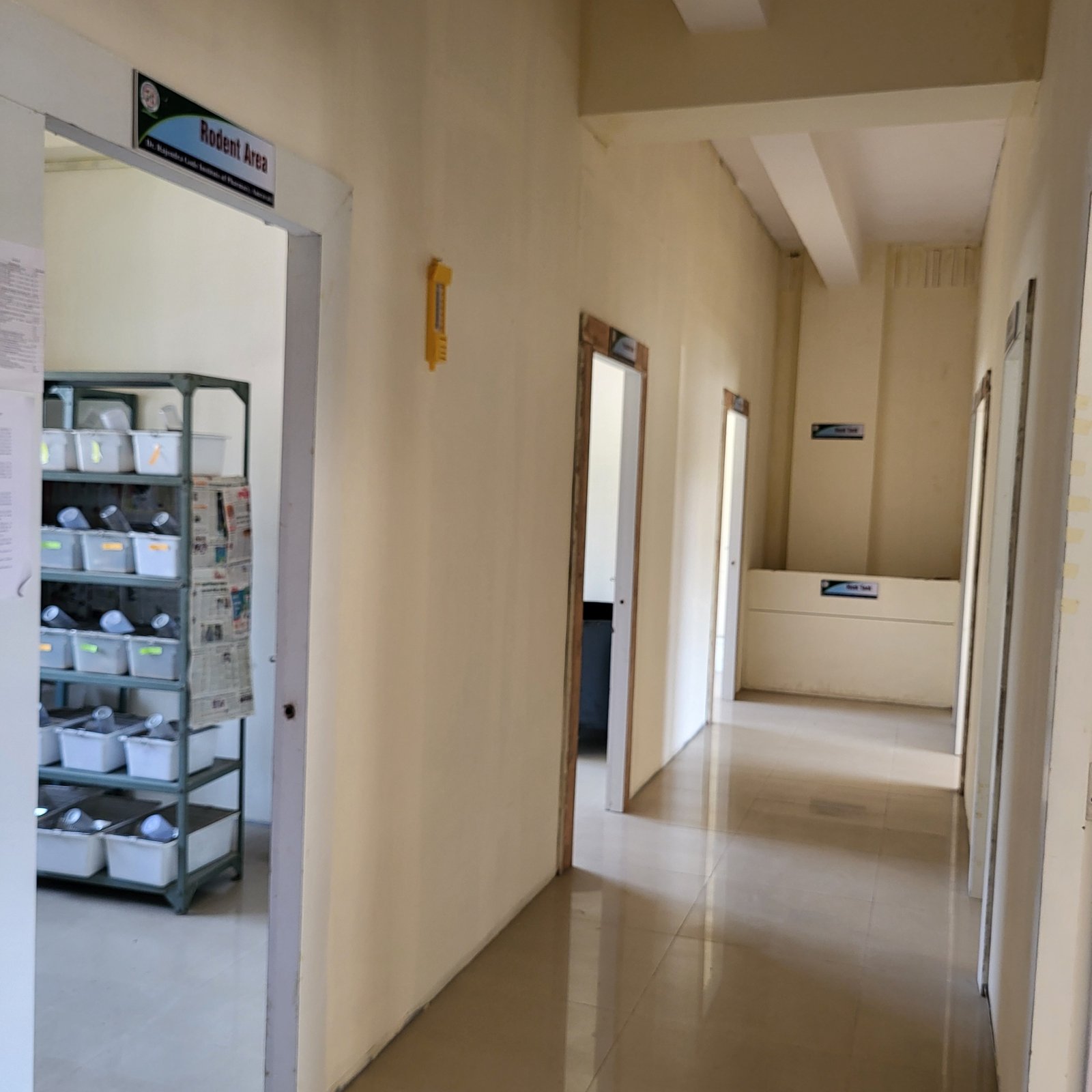
An animal house laboratory plays a crucial role in pharmaceutical and biomedical research. It is a specialized facility where laboratory animals are bred, housed, and used for research purposes. Here's an overview of its role and management:
Role of an Animal House Lab in Pharmaceutical and Biomedical Research
-
Drug Discovery and Development
-
Preclinical trials use animal models to study the pharmacokinetics, pharmacodynamics, efficacy, and toxicity of new drugs.
-
Animals serve as models to predict human responses before clinical trials.
-
-
Disease Modeling
-
Researchers induce diseases in animals to understand pathophysiological mechanisms and identify therapeutic targets.
-
-
Safety and Toxicology Studies
-
Toxicity testing ensures new compounds are safe for human trials by studying acute, sub-chronic, and chronic effects in animals.
-
-
Biomedical Research
-
Studies on genetics, immunology, cancer research, and infectious diseases are often conducted using animal models.
-
-
Vaccine and Biologicals Development
-
Animal models play a key role in evaluating vaccine safety and efficacy.
-
Room No: M. Pharm. Pharmacology Laboratory 03
Area: 94
Capacity: 25
Incharge: Dr. Prashant Ajmire
Assistant: Manoj Vishnupant Lad
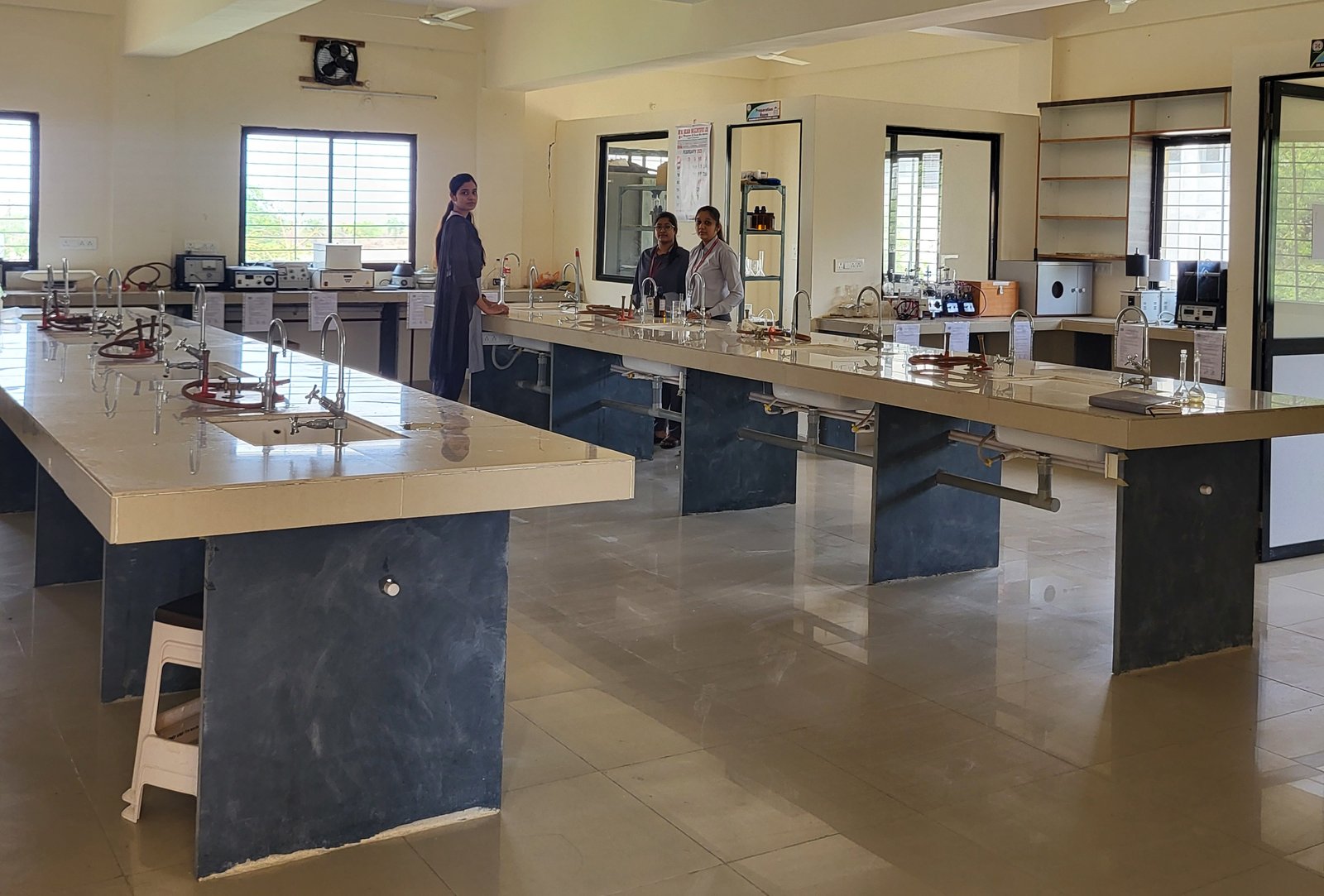
The pharmacology laboratory plays a critical role in the study of the effects of drugs and chemicals on biological systems. In an academic or research setting, it involves both practical and theoretical applications. Here’s an overview of its primary roles:
1. Experimental Research
-
Conducts in vitro (test tube) and in vivo (animal) studies to evaluate the pharmacological effects of drugs.
-
Studies the mechanism of action of drugs on biological systems.
-
Investigates drug toxicity, efficacy, and safety profiles.
2. Drug Discovery and Development
-
Assists in the screening of new chemical entities (NCEs) for potential therapeutic applications.
-
Supports preclinical trials by assessing pharmacokinetics (absorption, distribution, metabolism, and excretion) and pharmacodynamics (drug effects on the body).
-
Evaluates drug interactions and adverse effects.
3. Teaching and Training
-
Provides practical training for pharmacy, medical, and biomedical students.
-
Demonstrates laboratory techniques like dose-response studies, bioassays, and organ bath experiments.
-
Facilitates understanding of drug actions using simulation software or virtual labs.
4. Regulatory and Compliance
-
Ensures ethical and legal compliance for animal experiments by following guidelines like CPCSEA (in India) or OECD internationally.
-
Maintains proper documentation for regulatory approval.
5. Toxicological Studies
-
Conducts acute, sub-acute, and chronic toxicity studies to determine the safety of new drugs.
-
Evaluates biochemical, hematological, and histopathological changes in test subjects.
6. Pharmacological Screening
-
Tests drugs for various pharmacological activities such as analgesic, anti-inflammatory, anti-diabetic, or neuroprotective properties.
-
Compares the efficacy of new drugs with standard drugs.
7. Collaborative Research
-
Collaborates with other departments like Pharmaceutical Chemistry, Pharmacognosy, and Clinical Research for interdisciplinary studies.